The angles between planets
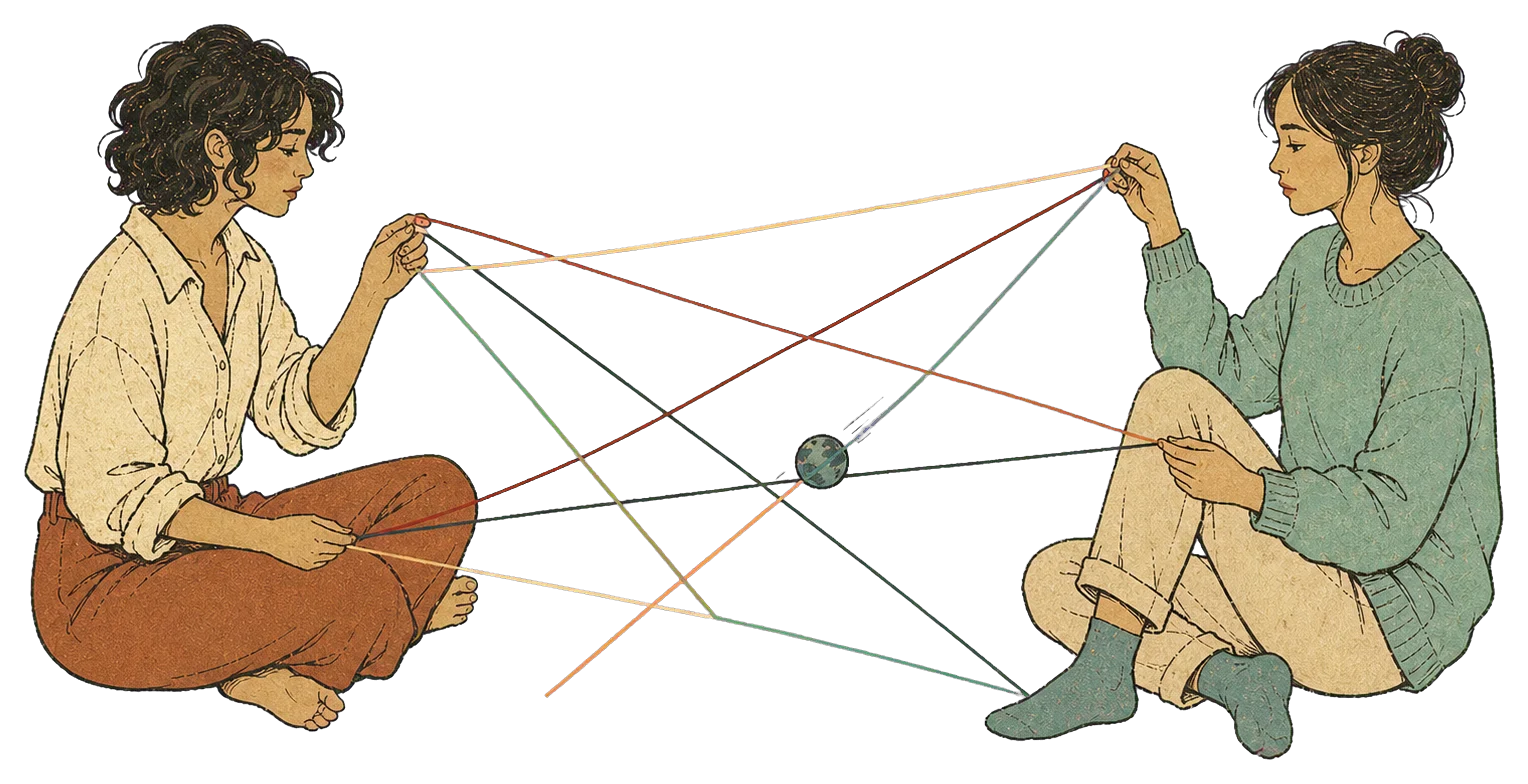
Aspects are measured angular relationships. A conjunction joins two functions. An opposition creates polarity. A square creates friction and action. A trine supports easy flow. A sextile offers workable cooperation.
Exactness and orbs
An aspect does not need to be mathematically exact to count. The allowed distance is its orb. Tighter aspects usually speak more loudly; wider ones are background conditions. Astrologers use different orb rules depending on the planets and technique.
What a transit is
A transit compares a moving planet’s current position with a point in the natal chart. Transiting Saturn square natal Venus, for example, links Saturn’s themes of limits and responsibility with Venusian themes of value and relating for a period of time.
Timing is weather, not a promise
A transit describes the quality of a period, not a guaranteed event. House II turns several overlapping signals into a timing read: GO, CAUTION, or SIT, so the chart becomes usable without pretending the planets make market decisions for you.